
The Empty Condo Conundrum: When Your California HO-6 Policy Gets Tricky
Picture this: Sarah and Mark, empty nesters from Newport Beach, decided it was finally time for that extended European adventure. Six months, maybe even a year, exploring ancient ruins and tasting local wines. Their beautiful condo, just steps from the ocean, would sit quiet. They figured their standard HO-6 condo insurance policy had them covered. After all, they’d paid their premiums for years. What could go wrong?
Well, a lot, actually. And it’s a story we hear often across California, from the bustling high-rises of downtown San Diego to the tranquil communities of Palm Springs. When a condo sits empty for too long, many standard insurance policies can quietly, almost imperceptibly, reduce or even eliminate coverage for certain types of claims. This isn’t just about a vacation. It could be for a job transfer, caring for an ailing parent in the Inland Empire, or even a drawn-out renovation project. The short answer is yes, your HO-6 policy might still be active. The real answer is far more complicated.
Vacant vs. Unoccupied: It’s Not Just Semantics
This is where most people get tripped up. Insurance companies don’t see “empty” in one simple way. They make a big distinction between a property being “unoccupied” and “vacant.”
- Unoccupied: This means you’re not physically living there, but you intend to return, and personal property remains inside. Maybe you’re on a long vacation, or you’re staying with family for a few weeks. Your furniture is there, the lights are off, but it’s still *your home* in waiting. Most standard HO-6 policies usually offer full coverage for a reasonable period when a condo is unoccupied.
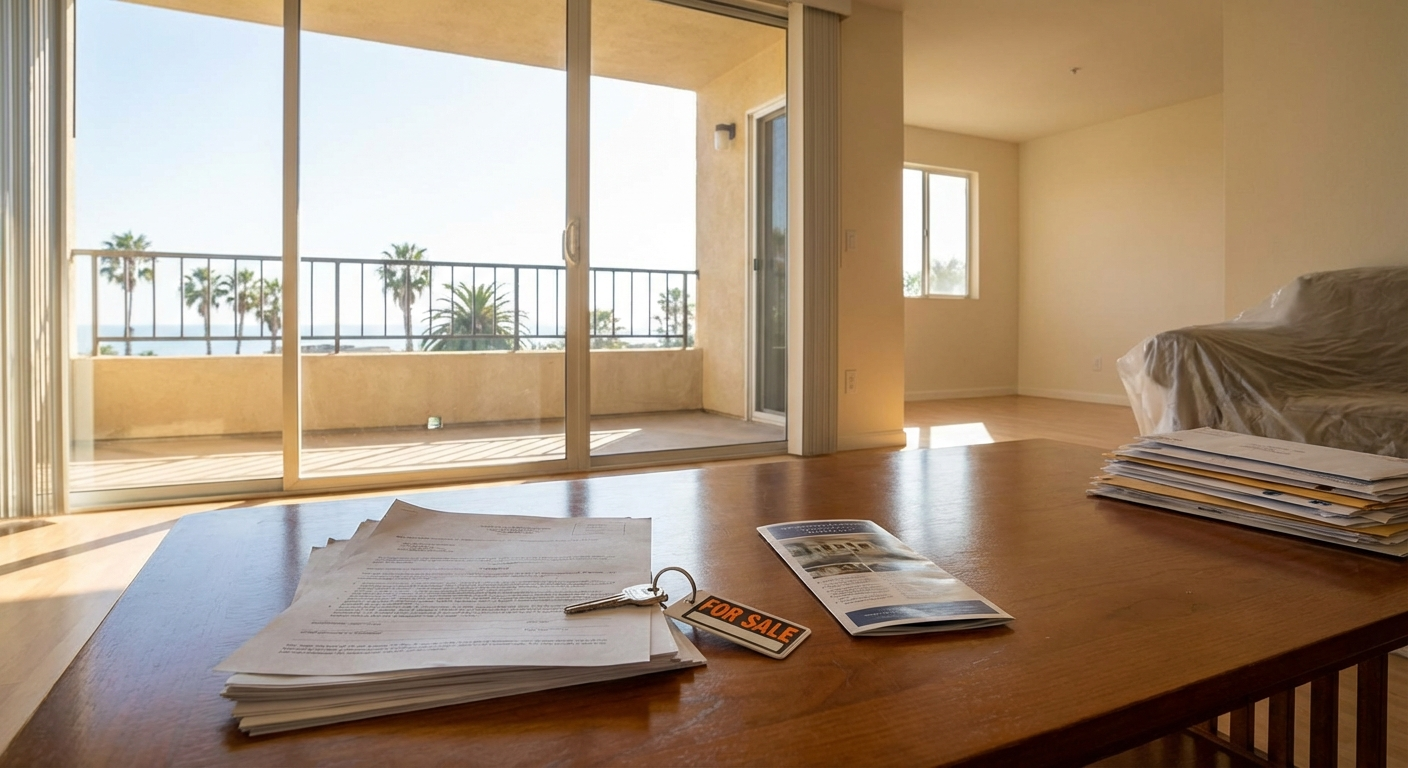
- Vacant: Now, this is different. A property is typically considered vacant when it’s devoid of most personal property and furnishings, and there’s no intent for anyone to live there for an extended, undefined period. Think of it like a house for sale that’s been cleared out, or a renovation project where everything’s been moved.
Why do insurers care so much about this difference? It boils down to risk. An unoccupied home still has signs of life, maybe mail gets picked up, a neighbor keeps an eye out. A truly vacant property? It’s a sitting duck for trouble. No one’s there to notice a small leak turning into a flood, or a tripped breaker shorting out. It’s also a more attractive target for vandals and thieves.
Most HO-6 policies have a “vacancy clause.” This clause often states that if your condo is vacant for a specific period—typically 30 or 60 consecutive days—certain coverages might be suspended or excluded. Imagine Sarah and Mark’s surprise if they came back from Italy to find a burst pipe had ruined their living room, only to be told their claim was denied because the condo had been vacant for 90 days. That’s a very real scenario.

What Happens When Your Condo Sits Empty? The Real Risks.
The risks associated with an empty condo aren’t just theoretical. They’re concrete, and they can be incredibly expensive.
- Undetected Damage: A small drip under the kitchen sink might go unnoticed for weeks, leading to extensive water damage and mold growth. A power outage could shut down your refrigerator, spoiling food and creating awful odors. In California, where we’re always thinking about earthquakes, a minor tremor could cause unseen structural damage that only worsens over time.
- Vandalism and Theft: A dark, quiet condo in a complex can sometimes draw unwanted attention. Thieves look for easy targets, and a vacant unit often screams “easy.” They might break in, steal valuables, or simply cause malicious damage.
- Increased Liability: What if someone – a curious kid, a homeless person seeking shelter – gets onto your vacant property and is injured? Your liability exposure can increase significantly without regular oversight.
Insurance companies calculate premiums based on predictable risks. When a condo becomes vacant, those predictable risks change. They become harder to manage, harder to mitigate. So, the insurer adjusts their coverage to match that elevated risk profile. Often, that adjustment means less coverage for you.
Your HO-6 Policy: What It Doesn’t Always Cover
A standard HO-6 policy is designed for owner-occupied units. It covers your personal belongings, improvements you’ve made to the unit, and liability within your four walls. It typically protects against perils like fire, theft, windstorm, and water damage from within the unit.
But here’s where it gets interesting. When that vacancy clause kicks in, specific perils often get cut. Damage from freezing pipes, for instance, might be excluded if the property was vacant and not properly winterized. Vandalism and malicious mischief are common exclusions for vacant properties. Sometimes, even basic fire coverage can be affected. It varies from policy to policy and insurer to insurer – State Farm might handle it one way, AAA another, and Farmers yet another.
Which brings up something most people miss. Your Homeowners Association (HOA) master policy covers the common areas and the building structure itself. It doesn’t typically cover your personal belongings or the interior finishes of your specific unit when it’s vacant. So, relying solely on the HOA’s coverage during an extended absence is a recipe for disaster.
Navigating the Vacancy Clause: Your Options
The absolute best thing you can do? Talk to your insurance agent *before* your condo goes empty for an extended period. Don’t wait until you’re already gone. They’re the experts who can tell you exactly what your current policy says about vacancy.
Often, your agent can help you get a “vacancy endorsement” or a “vacant dwelling policy.” These are specific types of coverage designed for properties that will be vacant for a longer stretch. They might cost a bit more, but they ensure you maintain coverage for those critical perils that disappear under a standard HO-6 policy.
For example, if you’re planning a six-month sabbatical, you’d call up someone like Karl Susman at California Condo Insurance (CA License #OB75129) and say, “Hey Karl, I’m going to be gone for a while. What do I need to do to make sure my condo’s still covered?” He’s seen it all, from retirees moving to Arizona for the winter to young professionals taking on remote work opportunities in other states. He can walk you through the specifics of what Liberty Mutual or Travelers might offer for your situation.
Other proactive steps help, too:
- Have someone check the property: A trusted friend, family member, or property manager who can visit regularly, collect mail, flush toilets, and look for issues. Some insurers might even require this if you get a vacancy endorsement.
- Install smart home tech: Leak detectors, smart thermostats, and security cameras can give you eyes and ears on your property, even from across the globe. They won’t replace insurance, but they can provide an early warning.
- Maintain utilities: Keep the heat on low in cooler months, especially in places like the Valley where temperatures can drop unexpectedly. Don’t turn off the water entirely, unless advised by your agent or plumber for specific reasons.
The California Insurance Climate: A Tougher Conversation
It’s no secret that the insurance landscape in California has gotten challenging lately. Premiums jumped 40% between 2022 and 2024 for many homeowners. Major insurers like State Farm have pulled back on new policies, and getting coverage in fire-prone areas like parts of Ventura County or the Sierra foothills can be incredibly difficult. Even the California FAIR Plan, meant as an insurer of last resort, has seen its rules change and its rates climb.
In this tighter market, insurers are scrutinizing risk more than ever. They’re less forgiving of gaps in coverage or properties that present an elevated risk. This means the vacancy clause isn’t just a dusty bit of legalese anymore; it’s a very active part of policy enforcement. Ignoring it could leave you holding the bag for tens of thousands of dollars in damages, or more.
Property owners in the Bay Area, Orange County, or even smaller towns are finding that what worked five years ago doesn’t necessarily work today. Planning ahead and talking to an expert is more critical than ever. Karl Susman and the team at California Condo Insurance are familiar with these shifting sands and can help you understand the options available for your specific condo and situation. You can reach them at (877) 411-5200.
Don’t Get Caught Off Guard: Steps to Protect Your Investment
Your condo is a significant investment. Don’t let a misunderstanding about vacancy rules put it at risk. The key takeaway here is proactive communication. Before you plan any extended absence, pick up the phone. A quick conversation with your insurance professional can save you a world of trouble and expense down the line.
Review your policy annually, even if you don’t plan to be away. Understand its terms. And remember, an independent agent like Karl Susman works for you, not just one insurance company. They can shop around to find the best coverage for your unique needs, including specific vacancy provisions.
If you’re wondering about your current condo policy or need to explore options for an upcoming vacancy, don’t hesitate. Get personalized advice and explore your options today. Visit https://californiacondoinsurance.com/quote/ to get started.
Frequently Asked Questions About California Condo Vacancy Insurance
How long can my condo be empty before it’s considered “vacant” by my insurer?
It depends on your specific policy, but most standard HO-6 policies define “vacant” after 30 or 60 consecutive days of no one living there and no personal property present. Always check your policy’s fine print or call your agent.
Will my HOA’s master policy cover my unit if it’s vacant?
Generally, no. The HOA master policy covers the building structure and common areas. It won’t cover your personal belongings, your unit’s interior finishes (like flooring, paint, cabinets), or your personal liability if your unit is vacant and damaged. You need your own HO-6 policy for that.
What kind of damage is typically *not* covered if my condo is vacant?
Common exclusions for vacant properties include damage from vandalism, malicious mischief, burst pipes due to freezing, and sometimes even water damage from a slow leak that goes unnoticed for an extended period. The exact exclusions will be listed in your policy’s vacancy clause.
Can I get insurance specifically for a vacant condo?
Yes, you can. It’s often called a “vacant dwelling policy” or you might be able to add a “vacancy endorsement” to your existing HO-6 policy. These policies or endorsements provide specific coverage for the unique risks associated with vacant properties, though they might be more expensive than standard HO-6 policies.
Should I tell my insurance agent if I’m leaving my condo empty for a few months?
Absolutely, yes. This is the single most important step you can take. Your agent can review your current policy, explain any potential coverage gaps, and help you secure the appropriate coverage – whether that’s an endorsement or a separate vacant dwelling policy – to protect your investment while you’re away. Don’t risk a denied claim.
Ready to ensure your California condo is properly protected, even when it’s empty? Get a free quote tailored to your needs. Visit https://californiacondoinsurance.com/quote/ today.
This article is for informational purposes only and does not constitute financial advice.