
Your California Condo and the Wet Stuff: What Your Insurance Really Covers
Imagine this: You walk into your beautiful San Diego condo after a long day, planning to relax, and instead, you hear a drip. A persistent, unwelcome drip. You look up, and there it is — a growing wet spot on your ceiling, right above your favorite armchair. Or maybe it’s worse. Maybe the water heater in the unit above decided to stage a dramatic exit, and now you’ve got an indoor rain shower.
For anyone living in a California condo, from the bustling high-rises of Downtown LA to the quieter complexes in Ventura County, water damage isn’t just a possibility; it’s a nagging worry. You’ve got an HO-6 policy, of course, because your lender insisted. But what does that policy *really* do when the water starts flowing? The short answer is, it helps. The real answer is much more complicated.
Understanding Your HO-6: It’s Not Like a House Policy
First off, let’s get clear on what an HO-6 policy is. It’s sometimes called “walls-in” coverage. That’s a pretty good mental picture, actually. You see, when you own a condo, you don’t own the entire building. The Homeowners Association (HOA) owns the common areas, the exterior walls, the roof, and often the “bare bones” structure of your unit – the studs, pipes, and wires hidden behind your drywall.
Your HO-6 policy steps in where the HOA’s master policy leaves off. It protects your personal belongings – your furniture, clothes, electronics, everything you’d pack if you moved. It also covers the parts of your unit that you’re responsible for, generally from the drywall inward. We’re talking about your paint, wallpaper, flooring, cabinets, fixtures, and sometimes even upgrades you’ve made to the original unit.
But here’s the thing. Water doesn’t care about property lines or policy distinctions. It just goes where gravity takes it.

When Water Damage Strikes: What’s Covered, What’s Not
Most HO-6 policies in California are designed to cover sudden and accidental water damage. Think about a burst pipe in your wall, a washing machine hose that suddenly springs a leak, or an overflowing toilet – if it happens quickly and without warning, you’re usually in luck. Your policy would typically help pay to repair the damage to your interior finishes and replace your ruined personal property, up to your policy limits and after your deductible.
Which brings up something most people miss. What about the source of the water? If your dishwasher decided to flood your kitchen, that’s one thing. If the rain came through a hole in the roof, that’s another. The HOA’s master policy usually takes care of damage to the building’s structure and common areas. But if that leaky roof leads to damage *inside* your unit – to your custom-built shelving, for example – your HO-6 policy is what you’d turn to.
That’s not the whole story. There are very specific types of water damage that your standard HO-6 policy probably won’t touch.
* **Flood Damage:** This is a big one, especially in California, where we’ve seen everything from atmospheric rivers to unexpected deluges. Water that comes from the ground up – like a river overflowing, a storm surge, or even heavy rain pooling around your building’s foundation and seeping in – is considered flood damage. You’d need a separate flood insurance policy, typically through the National Flood Insurance Program (NFIP), for that.
* **Gradual Leaks or Neglect:** Remember that little drip from earlier? If you ignore it for months, and it slowly rots out your floorboards, your insurer might say that’s a maintenance issue, not a sudden accident. They expect you to keep your unit in good repair. So, those slow, hidden leaks from a shower pan or an old pipe? Often not covered. This can be a real point of friction between policyholders and carriers.
* **Sewer and Drain Backup:** Sometimes, water doesn’t just come from above; it comes from below. A clogged sewer line backing up into your sink or toilet is nasty business. Standard HO-6 policies sometimes exclude this, or offer it as an optional add-on. It’s definitely something to discuss with an agent like Karl Susman at California Condo Insurance.
The Master Policy vs. Your Policy: Who Pays for What?
This is where condo insurance gets genuinely tricky. Every HOA has a master policy, but not all master policies are created equal. They fall into a few categories:
* **Bare Walls-In (or Studs-Out):** This is the most common type. The master policy covers the building’s structure, common areas, and sometimes the basic finishes within your unit as they were originally built – the “bare walls” or “studs.” Everything from the paint on your walls, your flooring, and all your personal items? That’s on your HO-6. If a pipe bursts in the wall, the HOA might fix the pipe and the wall itself, but *your* HO-6 pays for your ruined wallpaper and furniture.
* **Single Entity (or Original Specifications):** This type covers more. It includes the bare walls, plus standard fixtures and finishes inside your unit, as they were originally installed by the builder. If you upgraded your kitchen cabinets or put in hardwood floors, those upgrades might still fall to your HO-6.
* **All-In (or All-Inclusive):** This is the most generous master policy, but it’s much rarer. It covers the structure, common areas, and all fixtures, appliances, and improvements within your unit, whether original or upgraded. Even with an “All-In” master policy, you’d still need an HO-6 for your personal belongings and liability.
Why does this matter for water damage? Well, if the HOA has a “bare walls” policy and a pipe bursts, causing $50,000 in damage to your unit’s interior and personal property, your HO-6 will be doing most of the heavy lifting. If it was an “all-in” policy, the HOA’s master policy might pick up more of the tab for the structural damage, leaving your HO-6 to cover your personal belongings and any applicable deductibles.
You absolutely *must* know what kind of master policy your HOA carries. Your agent can help you figure this out by reviewing your HOA’s CC&Rs (Covenants, Conditions, & Restrictions) and insurance declaration pages.
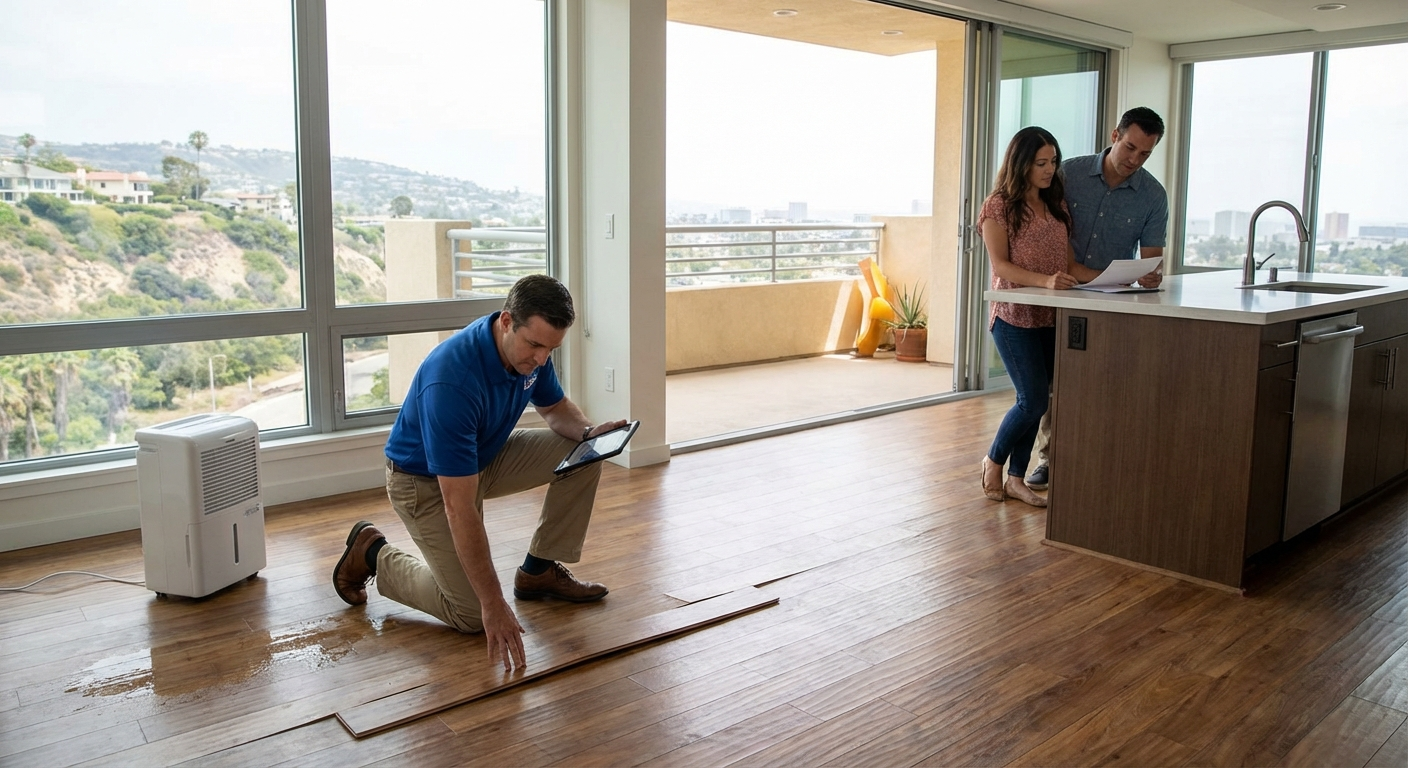
When Your Neighbors Get Wet — Or You Get Wet From Them
Living in a condo means you’re sharing walls, floors, and ceilings. It also means you’re sharing plumbing. So, what happens when water damage involves a neighbor?
* **Your Leak, Their Damage:** Let’s say your washing machine hose gives out, and water pours down into the unit below you, ruining their ceiling and antique rug. Your personal liability coverage, part of your HO-6 policy, is designed for exactly this. It would help pay for the damage you accidentally caused to your neighbor’s property, and even for their temporary living expenses if their unit becomes uninhabitable. It also covers legal fees if they decide to sue you.
* **Their Leak, Your Damage:** Conversely, if the unit above you has a burst pipe, and your ceiling caves in, their personal liability coverage should kick in to fix your unit and replace your belongings. But sometimes, their policy might not be enough, or they might not have adequate coverage. In those cases, you’d file a claim on your own HO-6 policy, and your insurer might then seek reimbursement from your neighbor’s insurer – a process called subrogation.
This can get messy, fast. Especially in places like Orange County or the Inland Empire, where condo living is common, these neighbor-to-neighbor water damage claims are unfortunately frequent. Having good Loss Assessment coverage on your HO-6 is also smart. If the HOA has a big deductible for a shared water damage event (like a pipe bursting in a common wall), they might assess each unit owner a portion of that deductible. Your Loss Assessment coverage helps pay your share.
California’s Quirk: Earthquakes and Water
We live in California. Earthquakes are a fact of life. Most people know that standard homeowners and condo policies don’t cover earthquake damage. You need a separate earthquake policy for that. But wait — what if an earthquake causes a pipe to burst, and *then* you have water damage?
This is a classic “chicken or the egg” scenario in insurance. Generally, if the earthquake is the *primary* cause of the damage, and the water damage is a direct result of the earthquake, then your earthquake policy would need to respond. Your standard HO-6 usually won’t cover the water damage if it was triggered by an excluded peril like an earthquake. It’s a fine line, and another reason why getting expert advice is so important.
Choosing the Right Coverage for Your Peace of Mind
Finding the right HO-6 policy in California can feel like navigating a maze. With carriers like State Farm, Farmers, and AAA sometimes adjusting their offerings in the state, it’s more important than ever to understand your options. You’ll want to think about:
* **Dwelling Coverage Limits:** This is for your “walls-in” property – your flooring, cabinets, paint. Make sure it’s enough to rebuild everything to your current standards, not just the builder’s original cheap finishes.
* **Personal Property Coverage:** Is it enough to replace all your belongings? Consider actual cash value (ACV) versus replacement cost value (RCV) – RCV pays to replace new, ACV factors in depreciation. Always aim for RCV.
* **Loss of Use (Additional Living Expense):** If water damage makes your condo unlivable, this coverage pays for temporary housing, food, and other increased expenses while repairs are being made.
* **Loss Assessment Coverage:** As mentioned, this is for when the HOA assesses you for a shared loss, including big water damage deductibles.
* **Deductibles:** What amount are you comfortable paying out of pocket before your insurance kicks in? Higher deductibles mean lower premiums, but make sure it’s an amount you can truly afford if disaster strikes.
Honestly, this is where a knowledgeable independent insurance agent like Karl Susman can be a lifesaver. He doesn’t just sell policies; he helps you understand what you’re buying. Karl and his team at California Condo Insurance (CA License #OB75129) work with multiple carriers to find the right fit for your specific condo and lifestyle. They can walk you through your HOA documents, explain the nuances of water damage, and ensure you’re protected.
Don’t wait for the drip to turn into a deluge. Give Karl a call at (877) 411-5200, or start with a quote online.
Get Your Condo Insurance Quote Today!
Frequently Asked Questions About Condo Water Damage Coverage
Q: Does my HO-6 policy cover water damage from a leaky roof?
A: Your HO-6 policy typically covers the damage to your personal property and the interior of your unit (like your ceiling, walls, and flooring) if the water comes from a leaky roof. The actual repair of the roof itself, which is a common element, would generally fall under your HOA’s master policy.
Q: What if my neighbor’s overflowing tub floods my unit?
A: If your neighbor is found responsible, their personal liability coverage on their HO-6 policy should pay for the damage to your unit and belongings. If they don’t have enough coverage, or if there’s a dispute, you’d typically file a claim on your own HO-6 policy, and your insurer might then try to recover the costs from your neighbor’s insurer.
Q: Is mold from water damage covered by my condo insurance?
A: Most HO-6 policies offer some coverage for mold remediation, but it’s usually tied to a covered peril – meaning, if the water damage that caused the mold was sudden and accidental (like a burst pipe), then the mold cleanup might be covered up to certain limits. However, mold from gradual leaks or neglect is typically excluded. Check your policy for specific mold coverage limits and exclusions.
Q: My HOA is assessing us for a large water damage deductible. Will my HO-6 help?
A: Yes, this is exactly what Loss Assessment coverage is for. If your HOA’s master policy has a high deductible for a shared water damage event and they assess each unit owner a portion, your Loss Assessment coverage on your HO-6 policy can help pay your share, up to its limits. It’s a very important part of condo insurance in California.
Q: Does my HO-6 cover water damage if a major storm causes flooding?
A: No, standard HO-6 policies do not cover flood damage, which is typically defined as water that comes from the ground up (e.g., overflowing rivers, storm surge, heavy rain pooling and seeping in). For flood protection, you would need a separate flood insurance policy, usually obtained through the National Flood Insurance Program (NFIP).
Ready to make sure your California condo is properly protected from the unexpected wet stuff? Reach out to Karl Susman and the team at California Condo Insurance.
Get a Customized Condo Insurance Quote Now!
This article is for informational purposes only and does not constitute financial advice.