
Your California Vacation Condo: More Than Just a Pretty View
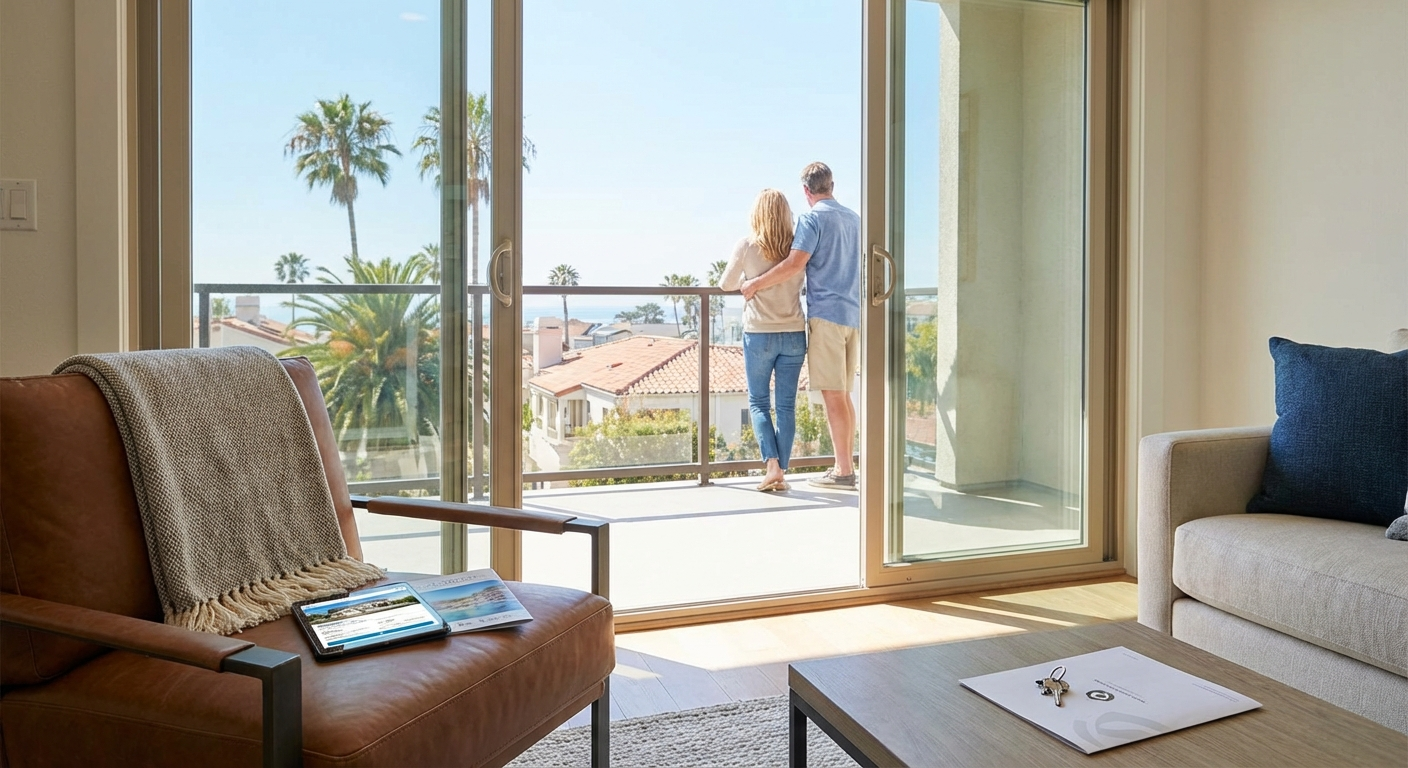
Think about the Millers. They’re a couple from San Jose, worked hard their whole lives. Finally, they pulled the trigger on a sweet little condo in Palm Springs. Palm trees, sunshine, a pool just steps away – it was their slice of paradise. They pictured long weekends escaping the Bay Area fog, maybe even renting it out to friends or through Airbnb a few weeks a year to help with the mortgage. Sounds idyllic, right?
But here’s the thing. When they bought it, they figured the homeowners association – the HOA – handled all the insurance stuff. After all, the HOA had a master policy, covered the building, the grounds, the pool. What more could they need? A lot, as it turned out. Their real estate agent mentioned something about an HO-6 policy, but in the whirlwind of closing, it felt like just another piece of paper. They signed what their lender required, tucked it away, and started dreaming of margaritas by the pool.
This isn’t an uncommon story in California. You buy a vacation condo, whether it’s in the desert, up in Lake Tahoe, or along the coast in Ventura County. You’re excited. Insurance? It’s often an afterthought, or you just assume the HOA’s policy has your back. That’s not the whole story. For a vacation home, especially one you might rent out, the stakes are even higher.
Understanding the Condo Insurance Layer Cake
A condo’s insurance coverage is like a layer cake, and you’re only responsible for a specific slice. The HOA’s master policy is the base layer. This policy usually covers the building’s exterior, common areas, and sometimes even the original fixtures inside your unit. But there are different kinds of master policies.
Some HOAs have “bare walls-in” coverage. This means the master policy only covers the structure up to your drywall. Everything inside your unit – your cabinets, your floors, your appliances, even your paint – that’s on you. Other HOAs might have “all-in” or “all original spec” coverage, which extends to the original fixtures inside your unit.
But wait — even with an “all-in” master policy, it doesn’t cover your personal belongings. It doesn’t cover any upgrades you’ve made, like that fancy new kitchen island or the custom tile in the bathroom. And it certainly doesn’t cover your liability if someone trips and falls inside your unit, or if a pipe bursts and floods your downstairs neighbor’s place. That’s where your personal HO-6 policy comes in.

Why Your Vacation Condo Needs Special Attention
For a primary residence, an HO-6 policy is standard. For a vacation condo, it gets a little more complicated. Why? Because vacation homes often sit empty for long stretches. This makes them more attractive to burglars. Plus, if a pipe bursts while you’re back in the Bay Area, no one’s there to catch it until the damage is extensive.
Then there’s the rental aspect. Remember the Millers, wanting to rent out their Palm Springs pad? Most standard HO-6 policies aren’t designed for short-term rentals – think Airbnb, VRBO, or similar platforms. If you’re earning income from your condo, you’re essentially running a small business. Your standard policy likely has exclusions for “business activities.”
What happens if a renter slips by the pool and blames you? Or if they trash the place? Your basic liability coverage might not extend to paying guests. You’ll need specific endorsements, sometimes called “home-sharing” or “short-term rental” endorsements, added to your policy. Without them, you could be on the hook for massive legal fees and damages.
The California Insurance Rollercoaster
Honestly, insuring property in California right now feels like riding a particularly bumpy rollercoaster. Premiums jumped 40% between 2022 and 2024 for many homeowners. Some insurers, like State Farm and AAA, have even pulled back from offering new policies in certain areas. Why? Wildfires are a huge factor. Even if your Palm Springs condo isn’t directly in a high-fire zone, the overall risk in California affects everyone.
Which brings up something most people miss. Even if you’re not in a wildfire-prone area, the rising costs of reinsurance – what insurance companies pay to insure themselves – are passed down to you. The costs of rebuilding, thanks to inflation and supply chain issues, are through the roof.
And it’s not just fires. We live in earthquake country. Most standard policies don’t cover earthquake damage. You need a separate endorsement or policy for that. If your vacation condo is near the coast, say in Santa Cruz or Laguna Beach, you might need flood insurance – again, a separate policy, not typically included in your HO-6.
Finding coverage for a vacation home, especially one that’s rented out, can be a real challenge. Some insurers just won’t touch them. You might find yourself looking at non-admitted carriers – companies not regulated by the state of California, which means less protection for you if something goes wrong. Or, as a last resort, the California FAIR Plan. But the FAIR Plan is a basic policy, offering minimal coverage, and it’s definitely not ideal for a vacation home you’ve invested so much in.
What to Look For in Your Vacation Condo Policy
So, what should the Millers – and you – be looking for?
* **Dwelling Coverage (Walls-In):** Make sure this covers everything from the studs inward. This means your flooring, cabinets, countertops, light fixtures, and any improvements you’ve made. Don’t just rely on the HOA’s master policy.
* **Personal Property Coverage:** This covers your furniture, clothes, electronics, and all your personal items. If you furnish your vacation condo for renters, this coverage is essential.
* **Loss Assessment Coverage:** This is a big one for condos. If the HOA’s master policy has a deductible, or if a major repair to a common area isn’t fully covered, the HOA can “assess” a portion of that cost to each unit owner. These assessments can be thousands of dollars. Your HO-6 policy can help cover this.
* **Loss of Use / Fair Rental Value:** If a covered peril – like a fire or a major water leak – makes your condo unlivable, this coverage helps pay for alternative accommodations or, if you rent it out, reimburses you for lost rental income.
* **Personal Liability:** This protects you if someone is injured in your unit or if you accidentally cause damage to another unit. For vacation rentals, this is absolutely non-negotiable.
* **Specific Endorsements:**
* **Short-Term Rental / Home-Sharing Endorsement:** If you’re renting it out, you need this. Period.
* **Earthquake Coverage:** Given where we live, it’s something to seriously consider.
* **Flood Insurance:** If you’re in a flood zone, you’ll need a separate NFIP policy.
Finding the Right Guide
This isn’t a “set it and forget it” kind of insurance. California’s insurance market is constantly shifting. You need someone who understands the quirks of condo ownership, the unique risks of vacation homes, and the ever-changing landscape of California insurance.
That’s where an independent agent truly makes a difference. They work with multiple carriers, not just one, and can help you find the best fit for your specific situation. Someone like Karl Susman at California Condo Insurance has been helping Californians with these exact challenges for years. He knows the ins and outs, the little details that can save you a fortune down the line. His CA License #OB75129 is proof he’s the real deal. You can reach his team at (877) 411-5200.
Don’t wait until disaster strikes to find out you’re underinsured or, worse, not covered at all. The peace of mind that comes with proper coverage is worth every penny.
Ready to get a clear picture of what your California vacation condo truly needs? You can start with a no-obligation quote right now.
Get a free quote for your California vacation condo insurance.
It’s about protecting your investment, your dream, and your financial future. Because those sunny Palm Springs weekends? They’re a lot more relaxing when you know you’re fully covered.
Frequently Asked Questions About California Vacation Condo Insurance
Q: My HOA has a master policy. Isn’t that enough for my vacation condo?
A: Not always. The HOA’s master policy typically covers the building’s exterior, common areas, and sometimes the original fixtures within your unit. It doesn’t cover your personal belongings, any upgrades you’ve made, your personal liability inside your unit, or any loss assessments from the HOA. You absolutely need your own HO-6 policy to fill these gaps, especially for a vacation home.
Q: If I rent out my vacation condo on Airbnb, is my standard HO-6 policy enough?
A: The short answer is no. The real answer is more complicated. Most standard HO-6 policies have exclusions for “business activities.” If you’re earning income from renting out your condo, your policy might not cover damages or liability claims related to those rentals. You’ll likely need to add a specific “home-sharing” or “short-term rental” endorsement to your policy to ensure proper coverage.
Q: Does my vacation condo insurance cover earthquakes or floods?
A: Generally, no. Standard HO-6 policies in California do not include coverage for earthquakes or floods. These are separate perils that require separate policies or endorsements. Given California’s seismic activity and potential for flooding in certain areas, it’s smart to discuss these additional coverages with an experienced agent.
Q: What’s a “loss assessment,” and why do I need coverage for it?
A: A loss assessment happens when your HOA’s master policy deductible is high, or if there’s a major expense to common areas (like a roof replacement or a major plumbing issue) that isn’t fully covered by the master policy. The HOA can then “assess” a portion of that cost to each individual unit owner. These can be very expensive, sometimes tens of thousands of dollars. Loss assessment coverage on your HO-6 policy can help pay for your share of these unexpected costs.
Q: How can I find the best insurance for my vacation condo in California?
A: The best way is to work with an independent insurance agent who specializes in California property insurance. They have access to multiple carriers and understand the complexities of vacation home and condo policies, including the specific challenges in the California market. They can help tailor a policy that fits your unique needs and property. Reach out to an expert like Karl Susman at California Condo Insurance, CA License #OB75129, at (877) 411-5200.
Don’t leave your vacation haven vulnerable. Protect your investment and your peace of mind.
Get a personalized quote for your California vacation condo insurance today.
This article is for informational purposes only and does not constitute financial advice.