
That Charm of Yesteryear — And Its Insurance Quirks
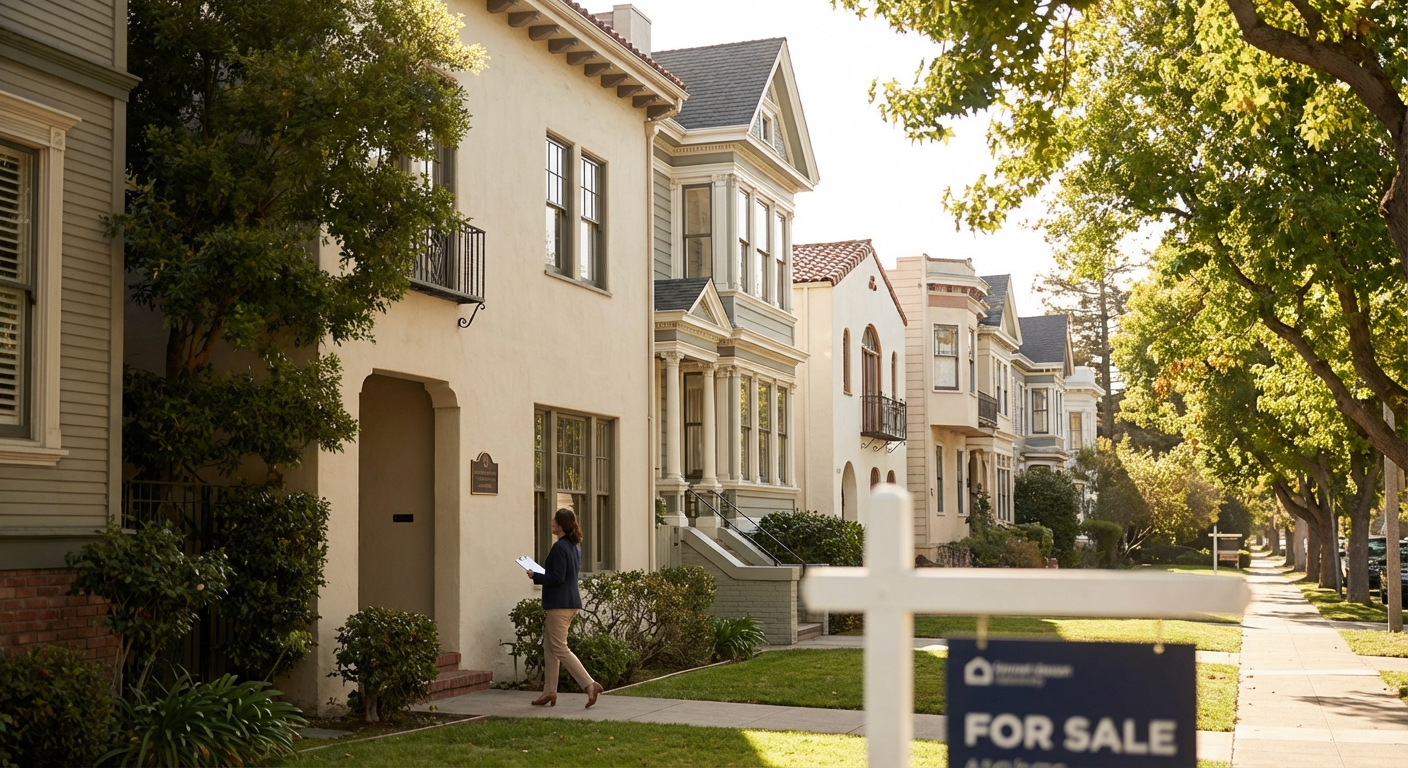
There’s something truly special about living in a historic California condo. Maybe it’s the high ceilings, the original crown molding, or the way the light hits those old brick walls. You’re not just buying a home; you’re buying a piece of history, a slice of the past tucked into a vibrant, modern city. Think of those beautiful Spanish Colonial Revival buildings in Pasadena, or the Art Deco gems sprinkled throughout San Francisco and Los Angeles. They tell a story.
But here’s the thing. That charm, that history, it comes with its own set of challenges, especially when it comes to insurance. It’s not just about protecting your stuff; it’s about making sure the very essence of your historic home is covered.
The Master Policy: Your Building’s First Line of Defense
Every condo building, especially a historic one, operates under an HOA (Homeowners Association). That HOA buys a master insurance policy. This policy generally covers the building’s main structure, the common areas — hallways, the roof, the exterior walls, maybe even the old, creaky elevator. For a historic building, this master policy is a big deal. It has to account for the unique construction materials, the intricate details, and the often higher cost of repairing or rebuilding with period-appropriate methods.
Imagine a fire in a building from the 1920s. Rebuilding that ornate lobby or matching those specific bricks isn’t like picking up supplies at a modern hardware store. It’s specialized work, and it can cost a fortune. That’s why the HOA’s master policy needs to be incredibly robust. It needs enough “dwelling coverage” to fully reconstruct the building to its former glory, adhering to any historic preservation codes.
Which brings up something most people miss. Even if the HOA has a great policy, it doesn’t cover *your* personal space inside your unit. Not really.

Your HO6 Policy: Protecting Your Personal Sanctuary
That’s where your own HO6 policy, often called “walls-in” coverage, steps in. Think of it as your personal shield. The HOA policy handles the big shell; your HO6 policy handles everything from the drywall inward. This includes your personal belongings – your furniture, clothes, electronics, art. It also covers the interior finishes of your unit: your kitchen cabinets, bathroom fixtures, flooring, and those custom built-ins you love.
For historic condos, this “walls-in” coverage is even more important. Say you’ve updated your kitchen with high-end appliances and custom tiling. If a pipe bursts (a common problem in older buildings, we’ll talk more about that in a bit), your HO6 policy would pay to repair or replace those specific items. The HOA policy wouldn’t touch them.
Your HO6 also provides liability coverage. If someone slips and falls inside your unit, or if you accidentally cause damage to a neighbor’s unit — say, your overflowing bathtub leaks into their antique ceiling — your policy could cover the damages and legal fees. It’s a peace-of-mind thing.
The Age Factor — And What It Means For Your Wallet
Let’s be honest: old buildings come with old parts. We’re talking about original plumbing that might be galvanized steel and prone to rust, or electrical wiring that isn’t up to modern code. Roofs might be decades old, and foundations could have settled over time.
Insurers see these things as higher risks. They know that old pipes burst, old wires spark, and old roofs leak. That translates to higher premiums. Sometimes, insurers might even require inspections or proof of upgrades (like new plumbing or electrical work) before they’ll offer a policy. It’s a real hurdle for many historic condo owners.
Honestly, getting proper coverage for a historic condo can feel like a treasure hunt. Many standard insurers shy away from properties built before a certain year, say 1940, or buildings with specific construction types like lath and plaster. They just see too much risk.
Earthquakes, Fires, and Floods: California’s Triple Threat
Living in California means living with certain realities. For historic condo owners, these realities hit a little harder.
* **Earthquakes:** It’s not if, but when. Older buildings, especially those not retrofitted, can be more vulnerable to seismic activity. An earthquake policy is almost always separate from your standard HO6, and it’s something you absolutely need to consider, especially if your building hasn’t been seismically upgraded. Imagine your beautiful old building shaking. The damage could be catastrophic.
* **Fire:** California is no stranger to wildfires, but even urban fires are a concern. Older buildings with their original wood framing and sometimes outdated electrical systems can be more susceptible. Think about the risk in areas like the Oakland hills or even parts of the Valley, where older homes are nestled in fire-prone zones. The materials in historic buildings can also burn differently, sometimes more intensely.
* **Water Damage:** This is probably the most common claim for any condo, but it’s particularly vexing in historic buildings. Old pipes, shared walls, and multiple units mean a small leak can quickly become a big, expensive disaster, affecting several residents and the building’s structure. Getting to the source of a leak in a century-old wall? Not always easy.
The Insurance Market Right Now — It’s a Tough Neighborhood
You’ve probably heard the news. California’s insurance market is, well, complicated. It’s been a challenging few years. Many big names like State Farm and AAA have pulled back or significantly limited new policies, especially in fire-prone areas or for older properties. Farmers has also tightened its belt. Premiums have jumped dramatically, sometimes 40% or more between 2022 and 2024 for some homeowners.
Why? A mix of factors: massive wildfire losses, inflation driving up reconstruction costs, and reinsurance markets becoming more expensive for insurers. This “hard market” means fewer options and higher prices for everyone, but it hits historic condo owners particularly hard. If you’re looking for coverage, you might find yourself navigating a maze of limited availability. The California FAIR Plan, which is the state’s “insurer of last resort,” has also seen changes, and while it provides basic fire coverage, it often isn’t enough for a full HO6 policy.
Finding the Right Fit for Your Old Beauty
So, what do you do? You don’t just pick the first policy you find. You need an insurance partner who understands the unique challenges of historic properties. This isn’t a one-size-fits-all situation.
Honestly, working with an independent insurance agent makes all the difference. They don’t work for one company; they work for you. They can shop around with multiple carriers, including those specialty insurers who are more comfortable with historic properties. They know the market, they know the specific quirks of California insurance, and they can help you find a policy that truly protects your investment.
Someone like Karl Susman at California Condo Insurance (CA License #OB75129) has spent years helping Californians navigate these exact situations. He and his team know the ins and outs of historic condo insurance and can help you compare options, understand the fine print, and get the coverage you need.
Ready to see what options might be out there for your unique historic condo? You can get a quote today: https://californiacondoinsurance.com/get-a-quote/
Tips for Taming Your Premium
While you can’t change the age of your building, there are things you can do to make your historic condo more attractive to insurers — and potentially lower your premiums:
* **Upgrade Key Systems:** Has the electrical system been updated? What about the plumbing? Modernizing these can significantly reduce risk and show insurers you’re proactive.
* **Safety Features:** Smoke detectors, carbon monoxide detectors, fire extinguishers – these are basic but important. Some insurers offer discounts.
* **Higher Deductibles:** Choosing a higher deductible means you’ll pay more out-of-pocket if there’s a claim, but it can lower your monthly or annual premium. It’s a balancing act.
* **Bundling:** If you have auto insurance or other policies, see if you can bundle them with the same carrier. Many insurers offer discounts for multiple policies.
* **Know Your HOA Policy:** Understand exactly what your HOA’s master policy covers. This helps you avoid duplicating coverage and ensures you fill any gaps with your HO6.
Frequently Asked Questions
What if my HOA’s master policy isn’t enough?
This is a common concern. If the master policy has insufficient coverage for the building’s full reconstruction value, or if it has a very high deductible, you could be on the hook for a “loss assessment.” Your HO6 policy usually includes loss assessment coverage, which helps pay your share of these common expenses. It’s smart to make sure your HO6 has enough of this specific coverage.
Do I really need earthquake insurance for a historic condo?
Honestly, in California, yes. Especially for an older building. While newer buildings are built to stricter seismic codes, historic structures can be more vulnerable. A standard HO6 policy won’t cover earthquake damage. It’s a separate policy, and while it adds to your cost, the peace of mind – and financial protection – is usually worth it.
Can I really save money on a historic condo policy?
It’s tough, but possible. The best way is to shop around with an independent agent who can access multiple carriers. Also, making proactive upgrades to your unit’s plumbing and electrical, choosing a higher deductible, and bundling policies can help. Don’t expect huge discounts, but every little bit helps in this market.
What if my building has specific historic preservation requirements?
This is a big factor. If your building is on a historic register, repairs and renovations often require specialized materials and methods, which cost more. Make sure both your HOA’s master policy and your HO6 policy account for these increased “ordinance or law” costs. Otherwise, you might find yourself underinsured for a repair that has to meet strict historical guidelines.
Ready to Secure Your Piece of History?
Owning a historic condo in California is a unique experience. It offers character, charm, and a connection to the past that modern buildings just can’t replicate. While the insurance landscape can feel a bit like trying to read an old, faded map, with the right guidance, you can find your way. Don’t let the complexities keep you from protecting your cherished home.
If you’re wondering about your options or just want to chat about what kind of coverage makes sense for your historic California condo, Karl Susman and his team at California Condo Insurance are ready to help. Give them a call at (877) 411-5200. Or, if you prefer, you can start the process online and get a quote right now: https://californiacondoinsurance.com/get-a-quote/
You’ve got a beautiful piece of history. Make sure it’s well protected.
This article is for informational purposes only and does not constitute financial advice.